Nov 19, 2026
Centralised vs Decentralised ID and Passport Issuance: How to Choose the Right Model
Every identity programme has to answer one practical question: where is the document personalised? In a central bureau that ships finished cards and passports to collection points, or in the office where the citizen applies? The answer shapes waiting times, cost, security and how the programme copes with a crisis.
There is no single right model. Many countries now run a hybrid. This guide sets out how each model works, what it costs and where it fits, so you can design the mix that suits your population and your territory.
The Three Models
Centralised issuance
Applications are collected in local offices and sent to a central facility, usually run by a national printing works or a security printer. High-volume lines personalise the documents, which are then shipped back to collection points or posted to citizens.
Decentralised issuance
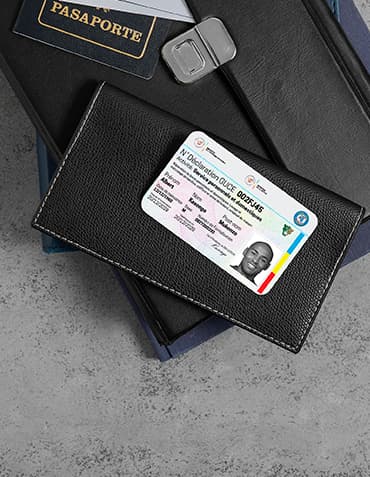
Documents are personalised in the office where the citizen applies, on compact or desktop systems. In the most direct form, the citizen leaves with the document after a short wait. IN Groupe, for example, describes counter issuance where passports and ID cards are ready within minutes.
Mobile issuance
A variant of decentralised issuance, where the personalisation equipment travels. It goes to remote villages, islands, refugee camps, consulates without permanent equipment, or areas hit by a disaster. It needs portable hardware, its own power and the ability to work without a network for periods of time.
How They Compare
- Time to document. Centralised: Days to weeks. Decentralised: Minutes to hours. Mobile: Minutes to hours, on the day of the visit.
- Visits by the citizen. Centralised: Usually two. Decentralised: One. Mobile: One.
- Delivery risk. Centralised: Shipping and storage of finished documents. Decentralised: None after personalisation. Mobile: None after personalisation.
- Equipment cost. Centralised: High per line, low per card at volume. Decentralised: Lower per unit, more units. Mobile: Portable units plus power and transport.
- Staffing. Centralised: Specialists in one place. Decentralised: Trained clerks in many places. Mobile: Small travelling teams.
- Resilience. Centralised: Single point of failure. Decentralised: Distributed. Mobile: Distributed and deployable.
- Best for. Centralised: Large stable volumes, passports in dense countries. Decentralised: Counter service, regional offices, consulates. Mobile: Remote areas, crises, registration drives.
Centralised Issuance: Strengths and Limits
Where it works well
Central lines reach very low cost per card at high volume. Quality control is concentrated in one place with specialist staff. Blank documents are stored in one secure site. For passports in countries with a reliable postal or courier service, central production remains common.
What it costs in practice
The main cost is time. Weeks between application and delivery mean a second trip for the citizen, temporary documents, and frustration that lands on the local office rather than the bureau. Finished documents must be shipped, stored and handed over. Every step adds a point where a document can be lost or stolen.
A central facility is also a single point of failure. A fire, a cyberattack, a supply problem or a strike stops issuance for the whole country.
Decentralised Issuance: Strengths and Limits
Where it works well
The citizen applies once and leaves with the document, or collects it the same day. There is no shipping of finished documents. Demand peaks, for example before a deadline such as the replacement of non-compliant ID cards in the EU, are spread across many sites instead of overloading one line.
The same model has proved itself in banking. Studies on instant card issuance report higher activation rates and lower mailing costs when cards are personalised in the branch. According to Entrust, it takes five to fifteen minutes to print a card in branch, time the bank can use to talk to the customer. Governments see the same effect at the counter: fewer return visits, fewer temporary papers and more trust.
What it requires
Decentralised issuance moves the personalisation machine, and its risks, into many offices. That only works with strong controls on each unit. Operators must log in individually. Blank stock must be counted. Every job must be logged. A lost or stolen unit must be lockable from a central console. Quality checks cannot depend on each clerk’s eye, so inspection has to be automated.
Equipment and support must also scale. Fifty units in fifty towns need remote monitoring, remote updates and fast replacement when one fails.
Mobile Issuance: Bringing the Office to the Citizen
Some citizens will never reach an office easily: people in remote rural areas, nomadic communities, islanders, displaced people and residents of regions without permanent administration. For them, mobile issuance is the difference between having an identity document and not having one.
Kenya offers a recent example. In July 2025, the Interior Ministry piloted battery-powered mobile live capture units in Samburu County, with the goal of cutting the wait for an ID card to three days. The capture is mobile. The next step for many programmes is to make personalisation mobile as well, so the document can be handed over during the same visit.
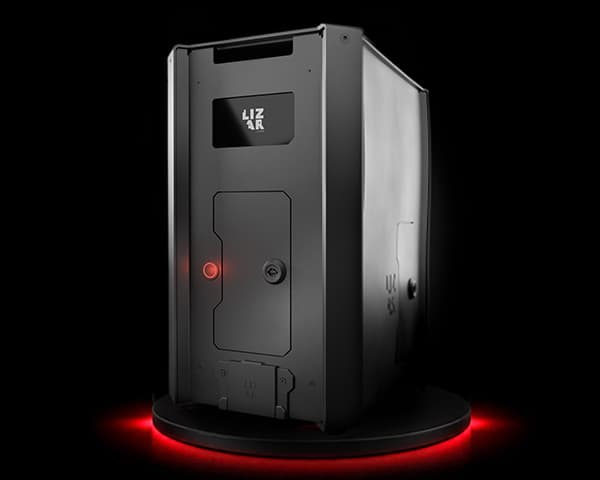
Mobile personalisation needs equipment designed for it: compact, robust, quick to set up, able to run on its own power and to store jobs safely when the network drops. LIZAR’s DRACO and VARAN systems support portable and distributed deployment. SMAUG, a portable LFP power unit currently in development, is designed to power issuance equipment away from the grid.
Security in a Decentralised Network
The main objection to decentralised issuance is security. It is a fair question with a clear answer: the risk moves from the shipping chain to the personalisation unit, so the unit has to be secured.
Authorise every job centrally. The local machine should personalise a document only with an authorisation from the central system. This principle appears in patents for remote personalisation dating back to the early 2000s, and it remains the right foundation.
Control every blank. Track blank cards and booklets by serial number from delivery to use or destruction.
Lock remotely. A unit that disappears should be disabled within minutes.
Inspect automatically. Check the portrait, data, MRZ and chip on every document before it leaves the machine.
Keep a full audit trail. Every operator action, every document and every error should be logged and reviewable.
Built this way, a decentralised network can be at least as secure as a central bureau, with less exposure in transit.
Cost: What to Count
Comparing models on equipment price alone gives the wrong answer. Include these items.
Equipment and installation, per line or per unit.
Shipping, storage and handover of finished documents, which disappear in decentralised issuance.
Citizen time and second visits. These are not on the agency’s budget, but they matter politically.
Temporary documents issued while citizens wait.
Staff training and support across all sites.
Downtime. A central failure stops everything. A local failure stops one office.
Peak handling. Deadlines and elections create surges that a single line struggles to absorb.
The Hybrid Model
Most countries end up with a mix. A typical design keeps a central facility for bulk renewals and passports in dense areas. Desktop units handle counter issuance in regional offices, consulates and urgent cases. A mobile fleet serves remote areas and emergencies.
The key to a hybrid is a single management layer. All units, central and local, should report to the same system, follow the same security rules and produce documents to the same quality standard. A citizen should not be able to tell where their card was made.
How to Decide
Start with geography. A small, dense country with good postal services can rely more on central production. A large country with remote regions, islands or weak transport needs decentralised and mobile capacity.
Look at demand peaks. If a regulatory deadline will force millions of renewals, decentralised capacity spreads the load.
Assess the network. Offices with unreliable connectivity need equipment that can work offline and synchronise later.
Weigh resilience. Ask what happens to issuance if the central facility stops for a month.
Plan for crises. Floods, conflicts and migration flows require deployable capacity at short notice.
Frequently Asked Questions
What is decentralised ID card issuance?
It means personalising ID cards in the office where the citizen applies, instead of in a central facility. In many cases the citizen leaves with the card after a short wait.
Is decentralised issuance less secure than centralised issuance?
Not when it is designed well. Central authorisation of every job, tracking of blank stock, remote locking, automatic inspection and full audit logs secure each unit, and there is no shipment of finished documents to protect.
What is mobile ID issuance?
It is decentralised issuance with portable equipment that travels to remote areas, camps or disaster zones, often with its own power supply and the ability to work offline.
Which is cheaper, centralised or decentralised issuance?
Central lines have a lower cost per card at high volume. Decentralised issuance removes shipping, storage and second visits. The total cost depends on geography, volume and peaks.
Can passports be issued in a decentralised way?
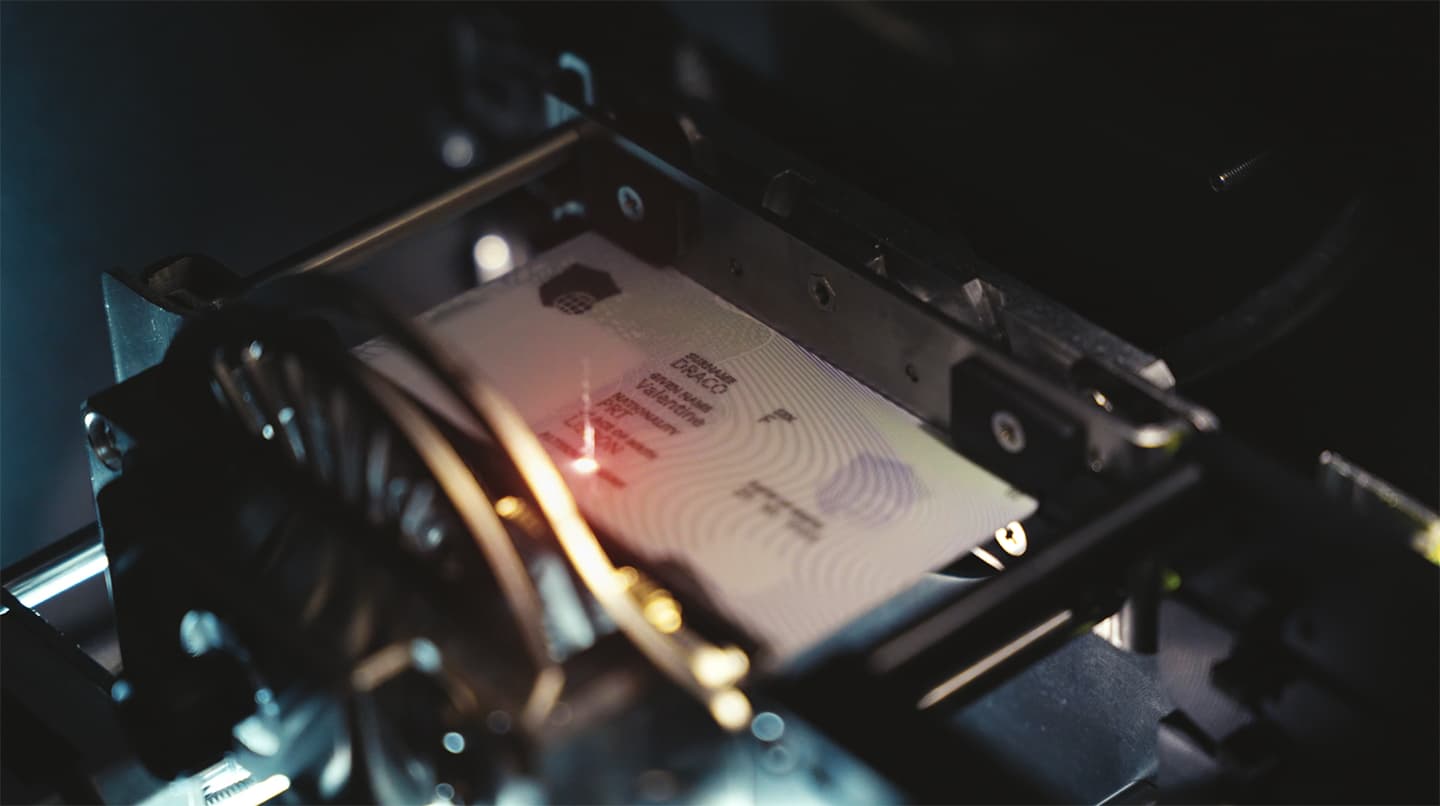
Yes. Compact passport personalisation systems exist for local authorities, consulates and mobile stations, with laser engraving of the polycarbonate data page and chip encoding.
What is a hybrid issuance model?
A mix of central production for bulk volumes, desktop issuance in offices and a mobile fleet for remote areas, all managed from one system with the same security rules.
How long does decentralised issuance take?
Personalising a card takes from under a minute to a few minutes on desktop equipment, so the citizen can usually collect the document during the same visit.
Related reading
- Desktop laser engraving systems
- AI in ID personalisation
- The 2031 EU ID card deadline
- Distributed and mobile issuance
Sources
Share this resource